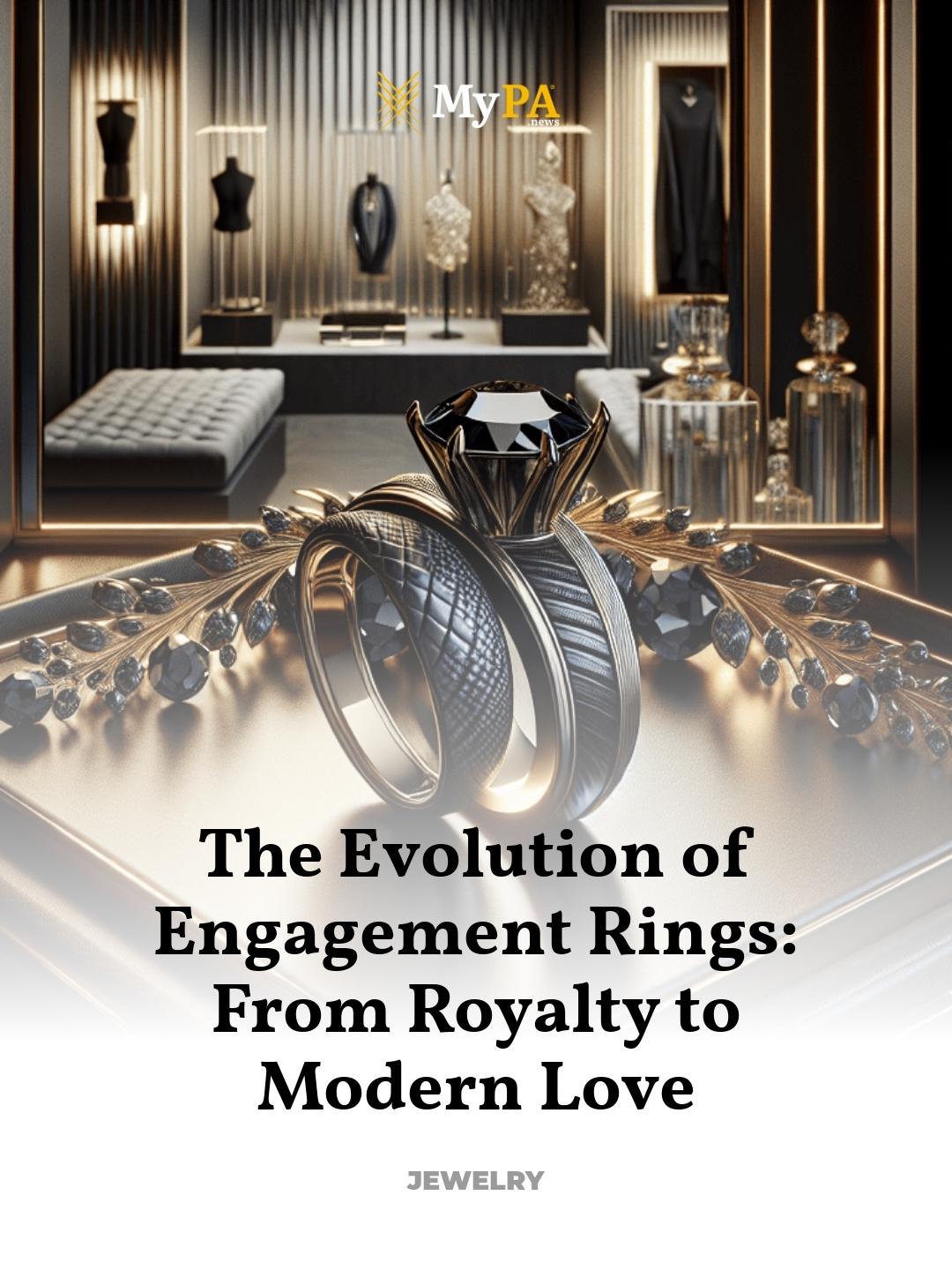
How engagement rings became an eternal symbol of luxury and passion
The engagement ring, a symbol of promise and commitment, has traversed through centuries, evolving from a mark of royalty to a universal emblem of love. This journey is not just about the transformation of design but also the deep-rooted cultural significance that has turned these rings into a luxury icon.
- Historical Origins: From Ancient Times to the Renaissance
- Royal Influence and the Rise of Diamond Rings
- Artistic Evolution: Styles and Craftsmanship Through the Ages
- Modern Trends and Cultural Shifts
- Symbolism and Significance: Beyond Mere Luxury
- Concluding Reflections on Cultural and Artistic Impact
Historical Origins: From Ancient Times to the Renaissance
The concept of the engagement ring dates back to Ancient Egypt, where rings were simple bands made from hemp or reeds, symbolizing eternity due to their circular shape. The Romans later adopted this tradition, though with a twist—rings were given as a symbol of ownership rather than mutual love, often crafted from iron to signify strength and permanence.
It was during the Renaissance that the engagement ring began to be associated with love and commitment. The Archduke Maximilian of Austria commissioned the first recorded diamond engagement ring for his betrothed, Mary of Burgundy in 1477. This act not only marked the beginning of diamonds being used in engagement rings but also set a precedent for European nobility, who began to use these precious stones as symbols of immutable and eternal love.
Royal Influence and the Rise of Diamond Rings
The trend set by the Archduke Maximilian grew significantly with the discovery of diamonds in South Africa in the late 19th century. The influx of diamonds on the market made these gemstones more accessible, yet they remained a symbol of luxury and status. The British royal family had a particular influence on the popularity of diamond rings when Prince Albert presented Queen Victoria with a serpent-shaped ring, embedding the diamond as the head, which was considered a symbol of eternal love.
This royal endorsement not only solidified the diamond’s status in engagement rings but also sparked a trend that saw variations in design and craftsmanship, reflecting the social and cultural fabric of the times.
Artistic Evolution: Styles and Craftsmanship Through the Ages
From the Victorian era to the Art Nouveau and Art Deco periods, engagement rings mirrored the artistic movements prevailing globally. The Edwardian era saw engagement rings being crafted with intricate lace-like designs, often set with rows of diamonds to enhance their brilliance under candlelight.
The Art Deco period, however, marked a significant shift with its emphasis on symmetry, geometric patterns, and vibrant color contrasts, influenced by the cultural fascination with technology and progress. This era also saw the introduction of other precious stones such as sapphires, emeralds, and rubies, broadening the horizons of engagement ring design.
Modern Trends and Cultural Shifts
In recent decades, engagement ring trends have diversified immensely. The latter half of the 20th century and the early 21st century have seen a shift towards personalization and ethical sourcing. Couples today opt for custom designs that reflect their personal stories or ethical beliefs, such as rings crafted from recycled materials or featuring ethically sourced or synthetic diamonds.
Moreover, the internet has played a crucial role in both educating consumers about the options available and in the globalization of trends. For instance, the halo ring, characterized by a central gemstone surrounded by a circle of smaller diamonds, gained popularity worldwide after being featured prominently in digital media and celebrity engagements.
Symbolism and Significance: Beyond Mere Luxury
While engagement rings are often viewed through the lens of their aesthetic and material value, their true significance is deeply rooted in the human experience of love, commitment, and continuity. Each ring, with its unique design and history, carries a narrative of personal and collective memories, making it a symbol of the couple’s journey and aspirations.
Furthermore, the ring’s circular shape continues to symbolize eternity, a seamless line with no beginning or end, much like the love it is meant to represent. This symbolism transcends cultures and time, making the engagement ring a universal representation of the union between individuals.
Concluding Reflections on Cultural and Artistic Impact
The evolution of engagement rings from ancient symbols of eternity to modern expressions of individuality and ethical consciousness reflects broader cultural shifts and artistic developments. As we look towards the future, the engagement ring will undoubtedly continue to evolve, both in form and significance, mirroring the changing values and aesthetics of society.
For further exploration of the history and artistry behind engagement rings, esteemed institutions like the Smithsonian’s National Museum of Natural History provide insightful resources on their gemological collections.