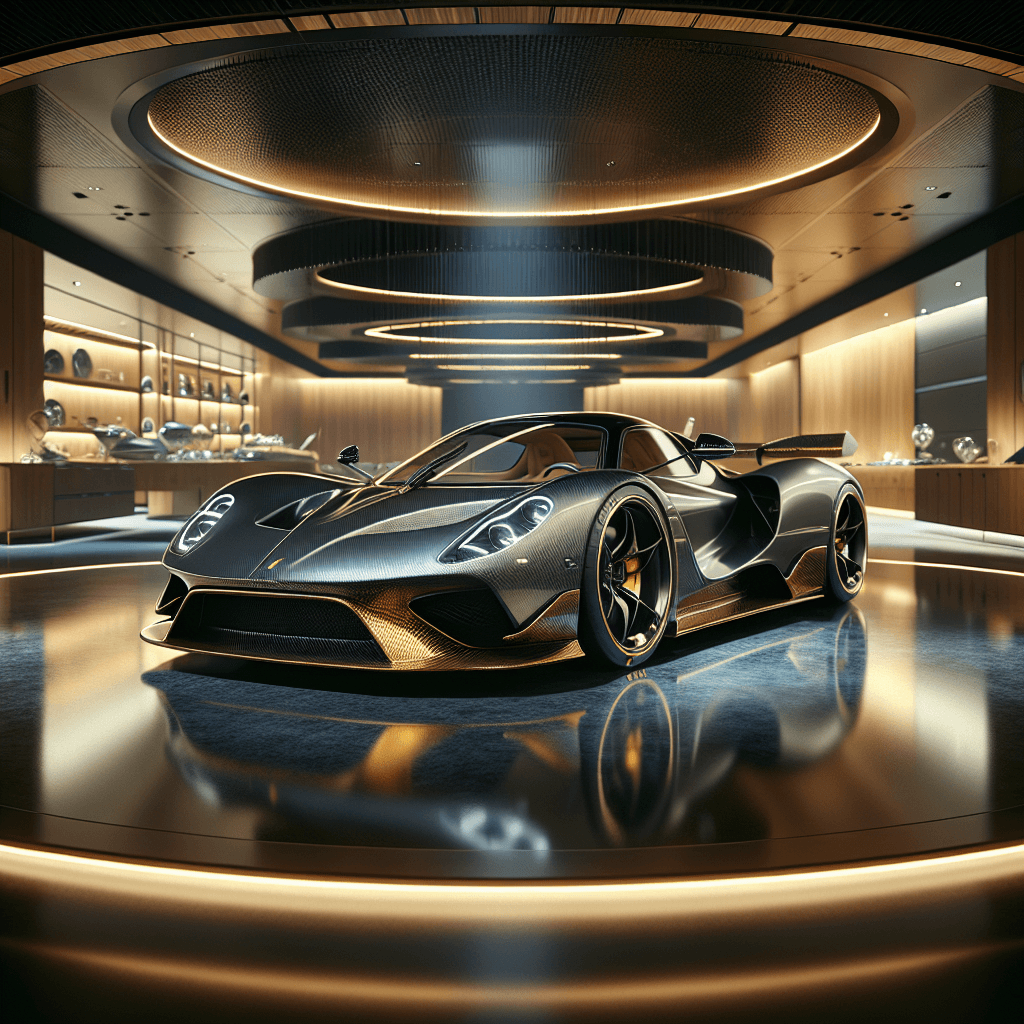
How the first-ever Pagani set a new standard in hypercar craftsmanship
The unveiling of the Pagani Zonda C12 in 1999 marked a pivotal moment in automotive history, showcasing Horacio Pagani’s unparalleled craftsmanship and innovative design philosophy.
- The Genesis of the Zonda: A Dream Realized
- Design and Innovation: The Hallmarks of the Zonda C12
- Engineering Excellence: Under the Hood of the Zonda C12
- Cultural Impact: How the Zonda Redefined Luxury Supercars
- The Legacy Continues: Zonda’s Influence on Future Models
- Concluding Reflections: The Artistic Significance of the Zonda C12
The Genesis of the Zonda: A Dream Realized
Horacio Pagani, an Argentinian-born visionary, embarked on a journey that would revolutionize the concept of supercars. His passion for automotive perfection was evident early in his career, which included a significant stint at Lamborghini. However, it was the founding of Pagani Automobili in 1992 that set the stage for his masterpiece: the Pagani Zonda C12.
The Zonda was born from Pagani’s obsession with combining art and engineering. The goal was clear: to create a car that transcended traditional automotive design with a focus on revolutionary materials and aesthetics. The use of carbon fiber, a material Pagani had extensively researched during his time at Lamborghini, became a cornerstone of the Zonda’s design philosophy.
Each aspect of the Zonda C12 was meticulously crafted to reflect Pagani’s dedication to artistry. From the sleek, jet-inspired body to the luxurious interior, the Zonda was not just a car; it was a moving sculpture, each element designed to stir the soul of both driver and onlooker.
Design and Innovation: The Hallmarks of the Zonda C12
The Pagani Zonda C12’s design is immediately recognizable, with its distinctive silhouette that boldly differentiates it from its contemporaries. The car’s body, shaped by the aerodynamic needs of high-speed performance, features sweeping curves and pronounced wheel arches, creating a visual impression of speed and power even when stationary.
Innovation in the Zonda C12 was not limited to aesthetics. The integration of advanced technology and materials set new standards in the supercar industry. The extensive use of carbon fiber not only reduced the overall weight but also enhanced the vehicle’s strength and durability. This pioneering use of materials demonstrated Pagani’s forward-thinking approach, which has since become a hallmark of the brand.
The interior of the Zonda C12 further reflects this blend of innovation and luxury. Custom-designed seats, detailed aluminum accents, and a cockpit-style dashboard ensure that the driver’s experience is both exhilarating and comfortable. Every detail, from the placement of the gauges to the feel of the switchgear, was considered to create a harmonious and intuitive driving environment.
Engineering Excellence: Under the Hood of the Zonda C12
The heart of the Zonda C12 is its remarkable engine, a testament to Pagani’s commitment to performance without compromise. The car is powered by a Mercedes-Benz AMG V12 engine, which was chosen for its reliability and immense power output. This engine not only provides the Zonda with incredible acceleration but also with a symphony of sound that is music to the ears of automotive enthusiasts.
The engineering prowess extends beyond the engine. The Zonda’s suspension system, developed in collaboration with racing experts, offers a balance between race-track performance and road comfort. This dual-purpose engineering philosophy ensures that the Zonda is as much at home on the curves of a grand prix circuit as it is on winding mountain roads.
Furthermore, the Zonda’s transmission and drivetrain were developed to handle the immense power output of the V12 engine, providing smooth yet responsive handling that gives the driver unparalleled control over the vehicle. This level of engineering detail is crucial in a car that can reach speeds well over 300 km/h.
Cultural Impact: How the Zonda Redefined Luxury Supercars
The launch of the Pagani Zonda C12 did more than just introduce a new player in the high-performance car market; it redefined what a luxury supercar could be. The Zonda’s blend of artistic design and cutting-edge technology captured the imagination of the public and media alike, setting a new standard for what is expected of a luxury supercar.
The Zonda quickly became a symbol of prestige and innovation, appealing to a discerning clientele that values both performance and exclusivity. Its limited production numbers and the personalized options offered to each buyer enhanced its allure as a collector’s item, not just a vehicle.
Moreover, the Zonda’s influence extended beyond its immediate market. It challenged other luxury car manufacturers to push the boundaries of design and performance, leading to a new era of supercar development. The Zonda proved that a small, independent carmaker could compete on the world stage, inspiring other entrepreneurs and engineers to follow their automotive dreams.
The Legacy Continues: Zonda’s Influence on Future Models
The principles that defined the Zonda C12 have continued to influence Pagani’s future models. Each subsequent model has built on the foundation of innovation, luxury, and performance that the Zonda established. The introduction of models like the Huayra and the various special editions of the Zonda itself have continued to push the envelope in terms of design and engineering.
These models have expanded on the use of advanced materials, such as Carbotitanium, and have introduced new aerodynamic technologies that further enhance the driving experience. Pagani’s commitment to artistry remains evident, with each model featuring unique design elements that celebrate the brand’s Italian craftsmanship.
Concluding Reflections: The Artistic Significance of the Zonda C12
The Pagani Zonda C12 is not just a car; it is a manifestation of Horacio Pagani’s lifelong passion for cars and art. Its introduction marked a significant moment in automotive history, a fusion of artistic expression and engineering excellence that has set a new benchmark in the luxury supercar market.
The Zonda C12’s legacy is evident in its lasting impact on the automotive industry and in the continued success of Pagani Automobili. As a pioneer of design and innovation, the Zonda will forever be remembered as the car that introduced the world to Horacio Pagani’s genius.
For further exploration of Pagani’s contributions to automotive design and luxury, consider visiting authoritative sources such as Pagani’s official website.