Why this ultra-private dining spot is reserved only for the lucky few
Hidden away in the bustling heart of Tokyo, Sugalabo is a sanctuary of culinary excellence, reserved for those fortunate enough to discover its secrets.
- Introduction to Sugalabo Tokyo
- Chef Yosuke Suga: The Mastermind Behind the Magic
- Culinary Philosophy and Unique Dining Experience
- Design and Ambiance: A Blend of Tradition and Modernity
- Factors Contributing to Its Exclusivity
- Cultural Significance in the Japanese Dining Scene
- Final Reflections on Sugalabo’s Allure
Introduction to Sugalabo Tokyo
Sugalabo Tokyo stands as a paragon of exclusivity and culinary prestige. Founded by Chef Yosuke Suga, a former apprentice to the legendary Joël Robuchon, this restaurant offers an intimate dining experience that goes beyond mere eating to become a celebration of Japanese culture and craftsmanship. With its undisclosed location and limited seating, Sugalabo is more than a restaurant; it is a phenomenon in the gastronomic world.
Chef Yosuke Suga: The Mastermind Behind the Magic
Yosuke Suga’s journey in the culinary world is both inspiring and illustrious. After honing his skills under the tutelage of Joël Robuchon, Suga returned to Japan with a vision to create a dining experience that was deeply personal and reflective of his culinary philosophy. At Sugalabo, he blends traditional Japanese techniques with innovative approaches, ensuring each dish tells a story of its own.
- Commitment to Perfection: Suga’s meticulous attention to detail is evident in every aspect of the dining experience.
- Innovative Techniques: Utilizing both modern and ancient culinary practices to enhance flavors and presentation.
Culinary Philosophy and Unique Dining Experience
The culinary philosophy at Sugalabo is centered around ‘kaiseki’, a traditional multi-course Japanese dinner that emphasizes seasonal ingredients and exquisite presentation. However, Suga’s approach introduces a twist to this tradition, incorporating global influences that surprise and delight the palate. The menu at Sugalabo is a testament to Suga’s extensive travels and his ability to reinterpret international and local cuisines with a Japanese sensibility.
Sample Dishes and Ingredients
Each dish at Sugalabo is crafted with ingredients sourced from the finest locales, ensuring freshness and quality. For instance, the signature dish might include:
- Amadai Tilefish: Lightly grilled with a crisp skin, served with a delicate dashi broth.
- Wagyu Beef: Sourced from premium farms, served with a reduction of Japanese whiskey and wasabi.
Design and Ambiance: A Blend of Tradition and Modernity
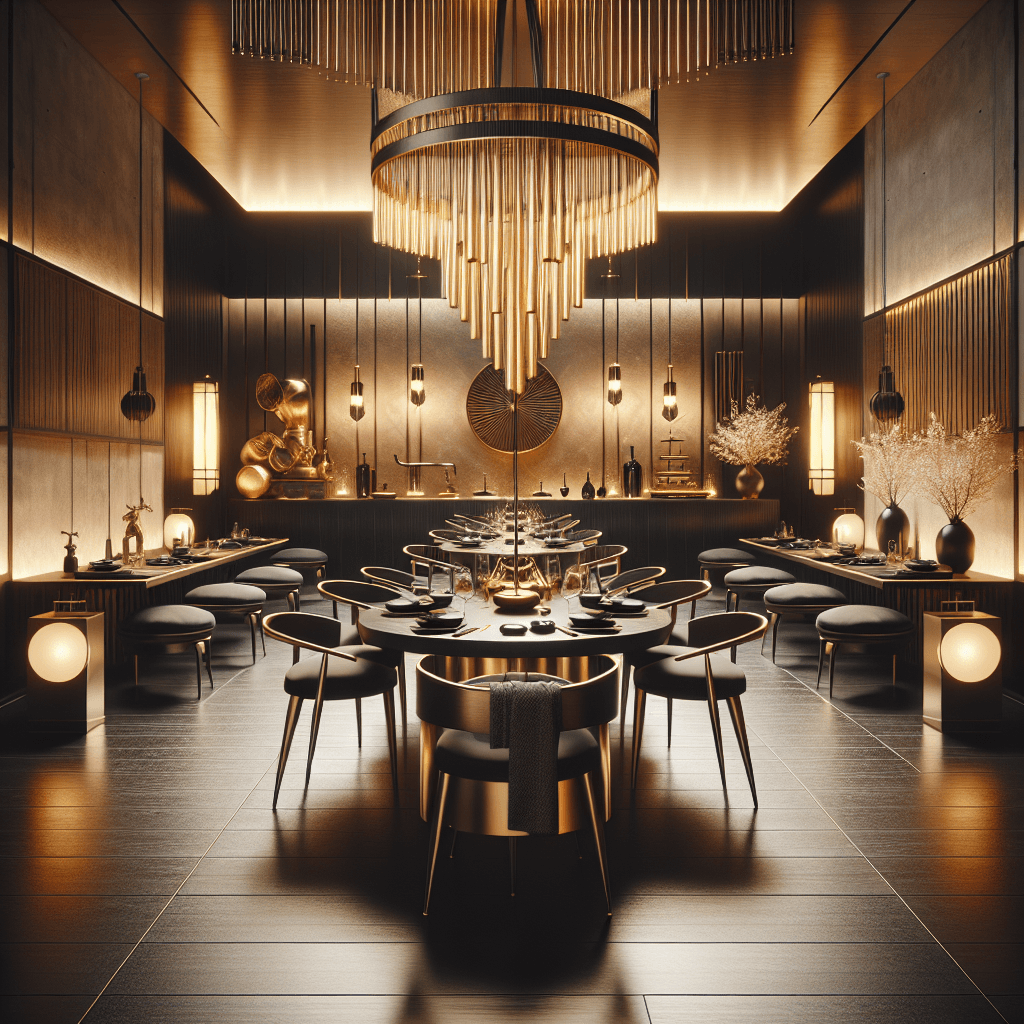
The design of Sugalabo is a reflection of its culinary philosophy. Hidden behind a nondescript façade, the interior is a harmonious blend of traditional Japanese aesthetics and contemporary design elements. The use of natural materials such as wood and stone creates a warm, inviting atmosphere, while state-of-the-art kitchen equipment adds a touch of modernity.
Seating Arrangement
The exclusive nature of Sugalabo is underscored by its seating arrangement. With only a few seats available each night, guests are guaranteed a personalized experience, often with Chef Suga himself preparing dishes before them.
Factors Contributing to Its Exclusivity
The exclusivity of Sugalabo can be attributed to several factors:
- Location Secrecy: The restaurant’s location is not publicly disclosed, known only to those with reservations.
- Limited Seating: The limited seating enhances the intimate and bespoke nature of the dining experience.
- Reservation System: Access is granted only through a referral or invitation, creating an aura of exclusivity and privilege.
Cultural Significance in the Japanese Dining Scene
Sugalabo is not just a restaurant; it is a cultural institution that embodies the Japanese dedication to craftsmanship and perfection. By blending the rich heritage of Japanese cuisine with global influences, Suga has created a dining experience that resonates with cultural aficionados and culinary enthusiasts alike.
Impact on Japanese Culinary Arts
Sugalabo has set new standards in the culinary industry, inspiring chefs and restaurateurs to explore the boundaries of traditional and modern cuisine.
Final Reflections on Sugalabo’s Allure
The allure of Sugalabo lies in its ability to transform dining into an exclusive, unforgettable experience. It is a testament to Chef Yosuke Suga’s vision and dedication, offering a unique window into the art of Japanese gastronomy.
For further exploration of Japan’s exclusive dining culture, consider reading authoritative sources such as Nippon.com.