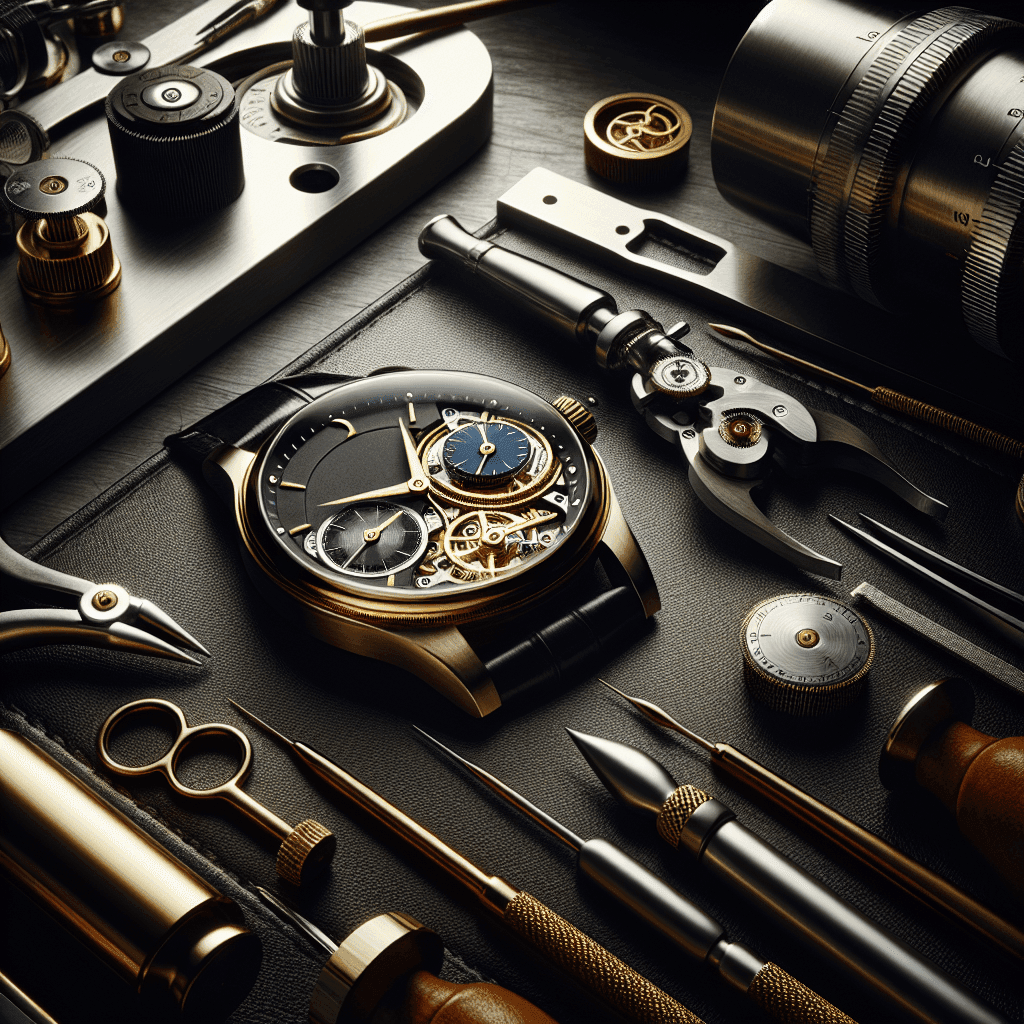
Comparing the Craftsmanship of Two Horological Powerhouses
The world of horology is not just about keeping time; it’s a celebration of heritage, precision, and artistic craftsmanship. At the heart of this intricate world are two renowned powerhouses: Swiss and Japanese watchmaking. Each brings a unique blend of tradition, innovation, and meticulous attention to detail, setting standards that resonate with collectors and connoisseurs globally.
- The Art of Swiss Watchmaking
- Precision and Innovation in Japanese Watchmaking
- Comparative Analysis of Techniques and Styles
- Cultural Impact and Global Influence
- Future Trends in Swiss and Japanese Watchmaking
- Concluding Reflections on Horological Excellence
The Art of Swiss Watchmaking
Swiss watchmaking is synonymous with luxury, quality, and unparalleled craftsmanship. The legacy began in the 16th century, primarily in Geneva, as a form of religious protestant reform. Over the centuries, it evolved into an industry known for its innovation and precision. Brands like Rolex, Patek Philippe, and Audemars Piguet have become emblematic of Swiss excellence, with each timepiece reflecting centuries of perfected skills combined with advanced technology.
Key Elements of Swiss Craftsmanship
- Attention to Detail: Swiss watchmakers are renowned for their meticulous attention to every minute component, ensuring flawless functionality and aesthetic perfection.
- Innovation: Constant technological advancements, such as the development of the automatic movement and water-resistant cases, highlight the Swiss commitment to innovation.
- Luxury Materials: The use of high-quality materials, including gold, platinum, and rare gemstones, ensures durability and an exquisite finish.
Precision and Innovation in Japanese Watchmaking
Japanese watchmaking may have a shorter history, beginning in the late 19th century, but it is marked by rapid development and technological innovation. Brands like Seiko, Citizen, and Casio are at the forefront, offering everything from quartz watches to sophisticated mechanical models. The introduction of the quartz movement in the 1960s by Seiko revolutionized the watch industry, making timekeeping more accessible and precise.
Distinctive Features of Japanese Watchmaking
- Technological Innovation: Japanese watchmakers have pioneered many firsts, including the world’s first quartz watch, the Seiko Astron, and the first kinetic watch.
- Mass Production Capabilities: Advanced manufacturing techniques allow for high-quality, precise watches to be produced at scale.
- Functional Design: Emphasis on functionality and durability, with features like solar power and satellite timekeeping.
Comparative Analysis of Techniques and Styles
While both Swiss and Japanese watchmaking stand for high-quality and reliable timepieces, their approaches and philosophies differ significantly. Swiss watches are often regarded as the epitome of personal luxury and status, emphasizing artisanal craftsmanship and aesthetic beauty. In contrast, Japanese watches typically focus on technological innovation, precision, and functionality, offering high quality at various price points.
Technique and Craftsmanship
Swiss watchmakers often employ traditional techniques handed down through generations, coupled with high-tech machinery. Japanese watchmakers, meanwhile, focus on precision engineering and modern production processes, leading to highly accurate and durable watches.
Cultural Impact and Global Influence
The influence of Swiss and Japanese watchmaking extends beyond the watches themselves, impacting global fashion, culture, and technology. Swiss watches are often seen as a symbol of luxury and status, frequently appearing in cinema and celebrity culture. Japanese watches, recognized for their innovation and value, have democratized quality watchmaking, making it accessible to a broader audience.
Global Branding and Market Presence
Both Swiss and Japanese watch brands have a strong global presence, but they cater to different segments of the market. Swiss brands are prominent in the luxury market, while Japanese brands excel in the mass-market and mid-tier luxury segments.
Future Trends in Swiss and Japanese Watchmaking
The future of watchmaking looks promising, with both Swiss and Japanese manufacturers continuing to innovate. Sustainability and digital technology are likely to play significant roles, with both industries exploring eco-friendly materials and smartwatch technology.
Innovation and Sustainability
As the demand for sustainable luxury grows, Swiss and Japanese watchmakers are increasingly focusing on eco-friendly practices, from sourcing materials responsibly to minimizing environmental impact during production.
Concluding Reflections on Horological Excellence
The enduring appeal of both Swiss and Japanese watchmaking lies in their commitment to excellence, innovation, and the art of timekeeping. Whether through the luxurious allure of Swiss watches or the precision and accessibility of Japanese models, both industries continue to fascinate and inspire a global audience.
For further exploration of the rich history and innovative future of these horological giants, consider visiting authoritative sources such as the Hodinkee’s Watchmaking Archives.